
Your topics multiple stories can take a single idea and spin it into dozens of entertaining directions. That’s what makes storytelling such a powerful tool for content creators, bloggers, marketers, and humor lovers alike.
Think of a topic as a tree. One trunk supports many branches, and each branch can grow its own collection of memorable stories. The result is richer content, stronger audience engagement, and more opportunities to connect with readers.
As writers who work with content strategy, storytelling frameworks, and audience psychology, we’ve seen how multiple narratives help transform simple topics into memorable experiences. Let’s unpack the fun side of it.
Your Topics Multiple Stories Explained
Your multiple stories might sound technical at first, but the idea is simple. One topic can inspire many perspectives, situations, and punchlines. These jokes show what happens when a single subject refuses to stay in one lane.
- My topic started one story and accidentally launched a franchise.
- One idea entered the room and twelve stories followed.
- My topic has more plot twists than a soap opera.
- This story brought backup stories.
- My topic doesn’t multitask. It multi-stories.
- One narrative wasn’t enough, so the topic hired extras.
- My topic keeps opening new tabs.
- Every story wants a spin off.
- My topic has commitment issues with storylines.
- One idea became a neighborhood.
- My topic started small and became a cinematic universe.
- The story tree grew more branches than expected.
- My topic collects narratives like souvenirs.
- One angle became twenty angles.
- My topic is allergic to simplicity.
- The storyline got promoted to storylines.
- My topic never travels alone.
- One plot opened several side quests.
- My topic keeps expanding the cast.
- The story multiplied during lunch.
- My topic brought cousins and relatives.
- One headline became a family reunion.
- The topic packed extra narratives.
- My story map needs a bigger map.
Expert Tip: Use these puns in writing workshops, content creator groups, or social posts about storytelling.
Managing Multiple Narratives Around A Single Topic
Juggling multiple narratives can be challenging, but it’s also where creativity shines. Content clusters, story arcs, and audience interests often overlap in amusing ways.
- My storyline needed a traffic controller.
- Every narrative wanted the spotlight.
- My topic formed a waiting line.
- One story kept cutting in front.
- The plot requested a seating chart.
- My narratives started a group chat.
- Every angle wanted speaking time.
- The topic became a storytelling roundabout.
- One story kept taking detours.
- My narratives formed a committee.
- The plot needed crowd control.
- Every storyline claimed to be the favorite.
- My topic became a busy intersection.
- The stories forgot whose turn it was.
- My narratives applied for overtime.
- One angle started managing the others.
- The topic became a storytelling traffic jam.
- Every plot had a side hustle.
- My storylines formed a union.
- One narrative kept requesting extensions.
- The topic booked multiple appointments.
- Every story wanted a sequel.
- My narratives started competing for attention.
- The plot thickened and multiplied.
Expert Tip: Share these jokes with fellow writers who know the struggle of keeping multiple storylines organized.
Why Your Topics Multiple Stories Matter
Great content rarely relies on one perspective. Multiple stories help reach different audiences while keeping readers interested from start to finish.
- My topic refused to be a one hit wonder.
- One story couldn’t carry all the baggage.
- The topic needed extra microphones.
- Every audience wanted its own angle.
- My story wore several hats.
- The topic opened multiple doors.
- One narrative wasn’t enough fuel.
- My content brought reinforcements.
- Every perspective added another layer.
- The topic built a larger table.
- One story invited more guests.
- My narrative expanded the guest list.
- The topic likes meeting new readers.
- Every angle adds another laugh.
- One perspective can’t see every corner.
- My topic became a team player.
- The story learned to share attention.
- More narratives mean more opportunities.
- My topic likes variety.
- Every story adds another color.
- One angle became many possibilities.
- The topic packed extra value.
- My content likes making connections.
- Every narrative helps complete the puzzle.
Expert Tip: Use these puns when discussing content strategy, audience engagement, or blogging tips.
Best Examples Of Your Topics Multiple Stories
Examples make concepts easier to understand. These jokes imagine what happens when a topic decides to explore every possible storyline.
- My topic opened a chain of stories.
- One idea started a collection.
- The narrative launched a sequel factory.
- My topic became a storyteller influencer.
- Every example wanted recognition.
- One story inspired ten cousins.
- The topic kept cloning itself.
- My examples formed a parade.
- Every narrative wanted a trophy.
- The topic expanded into a series.
- One storyline became a box set.
- My examples formed a fan club.
- Every angle wanted a spotlight.
- The topic never stops growing.
- One story opened a branch office.
- My examples arrived in groups.
- Every narrative packed extra material.
- The topic became a storytelling buffet.
- One angle led to another.
- My examples came with bonus features.
- Every story wanted more screen time.
- The topic built a larger stage.
- One narrative became a movement.
- My examples refuse to stay quiet.
Expert Tip: These puns fit perfectly into presentations, blogging communities, and content marketing discussions.
Connecting Different Story Angles Effectively
Connecting story angles is where storytelling becomes an art. When done well, separate narratives work together like puzzle pieces that create a bigger picture.
- My story angles started networking.
- One narrative introduced itself to another.
- The topic hosted a meet and greet.
- My plots exchanged business cards.
- Every storyline found common ground.
- The angles became neighbors.
- My narratives built a bridge.
- One plot helped another cross over.
- The stories formed a friendship circle.
- My topic became a connector.
- Every narrative found its partner.
- The angles shared a roadmap.
- My stories linked arms.
- One plot completed another sentence.
- The topic became a matchmaking service.
- Every narrative joined the conversation.
- My angles learned teamwork.
- One storyline opened a pathway.
- The stories became puzzle pieces.
- My topic connected the dots.
- Every angle found its place.
- The narratives formed a chain.
- My plots finally agreed on something.
- The story network kept growing.
Expert Tip: These jokes work well in workshops about storytelling, content planning, and audience engagement.
How To Create Your Topics Multiple Stories
Creating your multiple stories starts with curiosity. Ask different questions, explore fresh viewpoints, and look for hidden connections. Before long, one simple idea can grow into an entire collection of entertaining narratives.
- My topic started as a seed and grew a forest of stories.
- One idea opened a storytelling factory.
- My topic likes making copies of itself.
- Every angle brought a friend.
- The narrative started recruiting side stories.
- My topic expanded faster than my notes app.
- One storyline became a neighborhood.
- The topic built extra rooms for new ideas.
- My story invited unexpected guests.
- Every question unlocked another plot.
- The topic refused to stop brainstorming.
- My storyline started collecting hobbies.
- One narrative discovered hidden relatives.
- The topic kept finding new roads.
- My stories multiplied during coffee breaks.
- Every perspective added another chapter.
- The topic built an entire ecosystem.
- My narrative started branching out.
- One idea packed several adventures.
- The story kept opening secret doors.
- My topic became a content machine.
- Every plot found a new purpose.
- The narrative expanded its horizons.
- My topic always leaves room for one more story.
Expert Tip: Keep a story journal. One small observation today can spark several future content ideas.
Common Challenges In Your Topics Multiple Stories
Managing several narratives sounds exciting until every storyline wants attention at the same time. These puns highlight the funny side of common storytelling struggles.
- My stories started arguing over screen time.
- Every narrative wanted top billing.
- The topic became a full time referee.
- One plot forgot the schedule.
- My storylines formed a waiting list.
- Every angle wanted special treatment.
- The topic booked too many appointments.
- My narratives kept talking over each other.
- One storyline missed the memo.
- The topic became a customer service desk.
- My plots needed name tags.
- Every narrative wanted a bigger office.
- The story map became a maze.
- One angle took the scenic route.
- My topic hired an imaginary coordinator.
- Every storyline wanted a promotion.
- The narratives started negotiating contracts.
- My plots formed a committee.
- One story got lost in the outline.
- The topic became a juggling act.
- Every angle requested revisions.
- My narratives started competing for applause.
- One plot refused to stay on topic.
- The storytelling calendar needed extra pages.
Expert Tip: Create a simple content outline before writing. It keeps every narrative moving in the same direction.
Building Engaging Content Across Related Themes
Related themes help content stay connected while offering readers fresh experiences. These jokes show what happens when themes start working together.
- My themes formed a book club.
- Every topic brought snacks to the meeting.
- The content strategy became a family gathering.
- My themes started sharing ideas.
- Every narrative joined the conversation.
- The topics exchanged recommendations.
- My content built a friendship network.
- Every theme wanted a collaboration.
- The narratives started cross promoting.
- My topics became neighbors.
- Every storyline found common interests.
- The themes opened a group chat.
- My content created a community.
- Every topic contributed something valuable.
- The narratives built stronger connections.
- My themes started finishing each other’s sentences.
- Every story added another layer.
- The content became a shared adventure.
- My topics worked better together.
- Every theme strengthened the overall message.
- The narratives formed a creative alliance.
- My content invited everyone to participate.
- Every topic found its role.
- The storytelling team kept growing.
Expert Tip: Group related content into topic clusters to help readers explore more of your work naturally.
Benefits Of Using Your Topics Multiple Stories
A single story can be useful, but multiple narratives create a richer experience. These puns celebrate the advantages of exploring more than one angle.
- My topic likes having backup plans.
- Every story adds another layer of value.
- The narrative brought extra support.
- My content refuses to be one dimensional.
- Every angle contributes something useful.
- The topic expanded its reach.
- My stories became stronger together.
- Every perspective opened another door.
- The narrative built a larger audience.
- My content enjoys making connections.
- Every storyline added more depth.
- The topic packed additional insights.
- My stories became a complete package.
- Every angle improved the conversation.
- The narrative welcomed new readers.
- My content broadened its horizons.
- Every perspective strengthened the message.
- The topic became more relatable.
- My stories reached different audiences.
- Every angle brought another opportunity.
- The narrative expanded its influence.
- My content became more versatile.
- Every storyline added extra value.
- The topic accomplished more with less effort.
Expert Tip: Use multiple narratives to connect with readers who have different interests and experiences.
Tips To Improve Your Topics Multiple Stories
Improvement comes from practice, experimentation, and paying attention to what readers enjoy. These puns offer a lighthearted look at the process.
- My stories signed up for professional development.
- Every narrative wanted a performance review.
- The topic enrolled in storytelling school.
- My content started taking notes.
- Every angle attended a workshop.
- The narratives studied audience reactions.
- My topic practiced stronger connections.
- Every story worked on its timing.
- The content sharpened its skills.
- My narratives became better listeners.
- Every angle learned something new.
- The topic upgraded its toolkit.
- My stories invested in self improvement.
- Every narrative polished its presentation.
- The content became more organized.
- My topic improved through repetition.
- Every storyline gained confidence.
- The narratives refined their message.
- My content embraced feedback.
- Every angle became more effective.
- The topic developed better habits.
- My stories learned from experience.
- Every narrative stepped up its game.
- The content kept getting stronger.
Expert Tip: Review your highest performing content regularly. It often reveals new story angles worth exploring.
Organizing Diverse Perspectives Into Cohesive Stories
Different viewpoints can strengthen a story when they work together. The challenge is keeping everything organized so readers can follow the journey without getting lost. These jokes show what happens when diverse perspectives try to share the same stage.
- My perspectives arrived with separate agendas.
- Every viewpoint wanted a corner office.
- The story hosted a roundtable discussion.
- My narratives started introducing themselves.
- Every perspective brought a unique opinion.
- The storyline became a neighborhood meeting.
- My viewpoints exchanged ideas like trading cards.
- Every angle wanted equal screen time.
- The story became a reunion event.
- My narratives formed a discussion panel.
- Every perspective packed extra commentary.
- The storyline needed a larger conference room.
- My viewpoints started building bridges.
- Every angle found a place at the table.
- The story became a teamwork project.
- My narratives learned to cooperate.
- Every perspective contributed a puzzle piece.
- The storyline connected different roads.
- My viewpoints became stronger together.
- Every angle added another layer of insight.
- The story became a collaborative masterpiece.
- My narratives finally agreed on something.
- Every perspective found common ground.
- The storyline brought everyone under one roof.
Expert Tip: Create a clear content structure before writing. It helps different viewpoints work together instead of competing for attention.
Future Trends In Your Topics Multiple Stories
Storytelling keeps evolving as audiences look for fresh ways to consume content. These puns imagine what the future might look like when topics continue multiplying into new narratives.
- My topic already scheduled next year’s stories.
- Every narrative packed for the future.
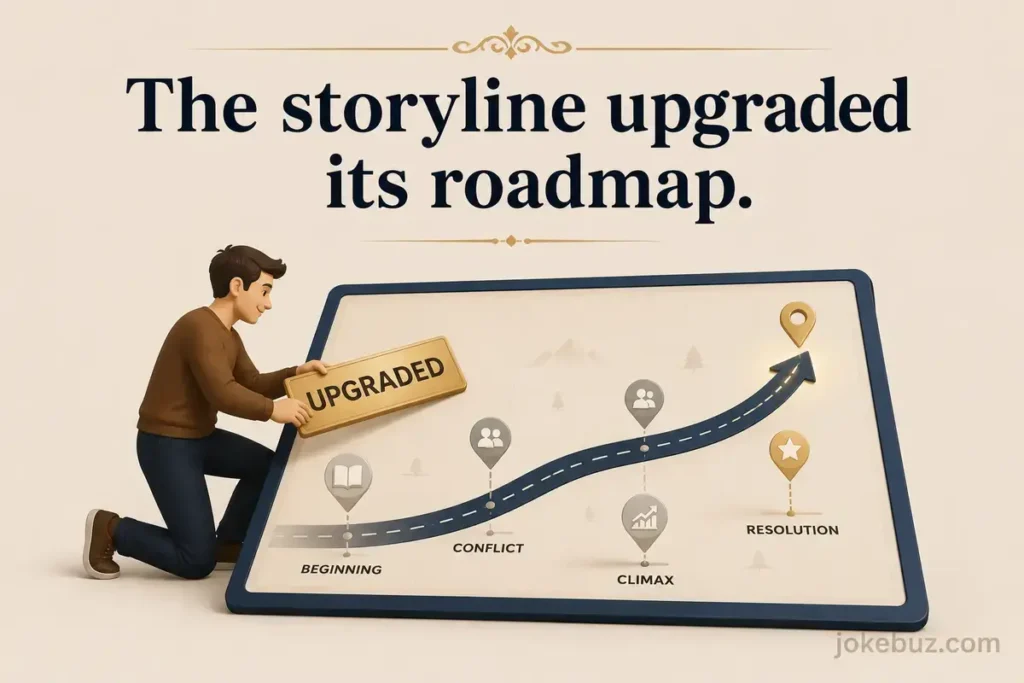
- The storyline upgraded its roadmap.
- My content started planning ahead.
- Every angle booked a future appointment.
- The topic invested in tomorrow’s ideas.
- My narratives started trend watching.
- Every story packed a time machine.
- The content prepared for its next chapter.
- My topic expanded its vision.
- Every narrative chased new opportunities.
- The storyline started forecasting plot twists.
- My content looked around the next corner.
- Every angle spotted another possibility.
- The topic refused to stand still.
- My narratives started future proofing themselves.
- Every story planned its sequel.
- The content embraced new formats.
- My topic welcomed fresh perspectives.
- Every narrative searched for the next big idea.
- The storyline built room for innovation.
- My content kept evolving.
- Every angle prepared for new audiences.
- The topic stayed one step ahead.
Expert Tip: Pay attention to audience behavior, emerging platforms, and content trends. Future story opportunities often hide in plain sight.
Conclusion
Great storytelling rarely stops at a single narrative. That’s why your topics multiple stories can become one of the most valuable approaches for content creators, bloggers, marketers, and anyone who wants to keep readers engaged.
When you explore different angles, perspectives, and experiences, your content becomes richer, more relatable, and more memorable. One topic can spark dozens of conversations, and each conversation can lead to another compelling story.
We hope these jokes, puns, and storytelling insights gave you a few laughs along the way. If you enjoyed this collection about your topics, share it with friends, fellow writers, or content creators. Have a favorite pun from the list? Drop it in the comments and keep the storytelling going.
FAQs About Stories
What Are Multiple Stories?
Multiple stories are separate stories grouped together in one book, collection, or publication. Each story has its own characters, plot, and ending, but they may share a common theme or genre.
What Are Topics in Story?
Story topics are the main subjects or ideas a story focuses on. Common topics include:
- Friendship
- Love
- Adventure
- Family
- Mystery
- Courage
- Magic
- Survival
- Kindness
- Personal growth
Can a Story Have Multiple Topics?
Yes, a story can have multiple topics. For example, a single story might explore friendship, adventure, and courage at the same time, making the plot richer and more engaging.
What Are Books With Multiple Stories Called?
Books that contain several separate stories are commonly called:
- Short story collections
- Anthologies
- Story collections
- Compilations
- Omnibus editions (when collecting multiple published works)
- Anthology books